 Sweet TnT Magazine Trinidad and Tobago Culture


Related Articles


Resuming a physical activity routine after a prolonged period of inactivity requires a structured approach focusing on gentle integration and long-term sustainability. This article examines the psychological and physiological barriers to re-entering fitness and provides actionable strategies to overcome them.
It explores how shifting the focus from high-intensity performance to functional movement can improve cardiovascular health, mental well-being, and musculoskeletal strength. Readers will discover low-impact methods for increasing daily activity levels, such as incidental exercise and stretching, without the requirement for specialised gym equipment.
The guide highlights the importance of consistency over intensity to ensure a permanent transition to a more active lifestyle. By understanding the systemic benefits of regular movement, individuals can effectively reintegrate exercise into their daily schedules to enhance their overall quality of life.
Key Takeaways
- Consistent low-intensity movement significantly improves cardiovascular health and reduces long-term risks of chronic disease.
- Incremental progression in daily walking duration facilitates physiological adaptation without the risk of overexertion or injury.
- Integrating incidental exercise into existing daily routines eliminates the common barrier of perceived time scarcity.
- Regular physical activity serves as a primary intervention for reducing stress and enhancing cognitive function through neurochemical regulation.
- Prioritising functional mobility and stretching maintains joint health and supports independent living during the ageing process.
The idea of “fitness” often brings to mind images of intense gym workouts, competitive sports, or strict diets. For many, this can feel intimidating or even impossible to achieve, especially if they are new to exercise or have not been active for a while. However, fitness is not just about achieving a particular look or performing at an elite level.
At its core, fitness is simply about making your body feel good, moving with ease, and having enough energy for daily life. It is about improving your health in a way that is enjoyable and sustainable.
The wonderful truth is that physical activity is for everyone, regardless of age, ability, or past experience. You do not need expensive equipment or a strict routine to start. Small, consistent efforts can lead to big improvements in how you feel, both physically and mentally.
This article will explore gentle and practical ways to incorporate more movement into your life, ensuring that fitness truly is for every body, at any age.
Understanding why movement is important for your health
Before diving into specific activities, it is helpful to understand the many benefits that regular movement brings. It is much more than just burning calories. Moving your body helps to strengthen your heart and lungs, making everyday tasks like climbing stairs or carrying groceries feel less tiring.
It also plays a vital role in maintaining healthy bones and muscles, which becomes especially important as people get older. Stronger muscles help with balance and reduce the risk of falls, while healthy bones prevent conditions like osteoporosis.
Beyond the physical benefits, movement has a profound impact on your mental well-being. Regular physical activity can help to reduce feelings of stress and anxiety. It releases natural mood-boosting chemicals in the brain, which can leave you feeling happier and more relaxed.
Many people find that a simple walk can clear their mind and help them think more clearly. Getting active can also improve your sleep quality, leading to more energy and focus throughout the day. When you understand these wide ranging benefits, moving your body stops feeling like a chore and starts feeling like a gift you give to yourself.
Gentle ways to start moving your body more often
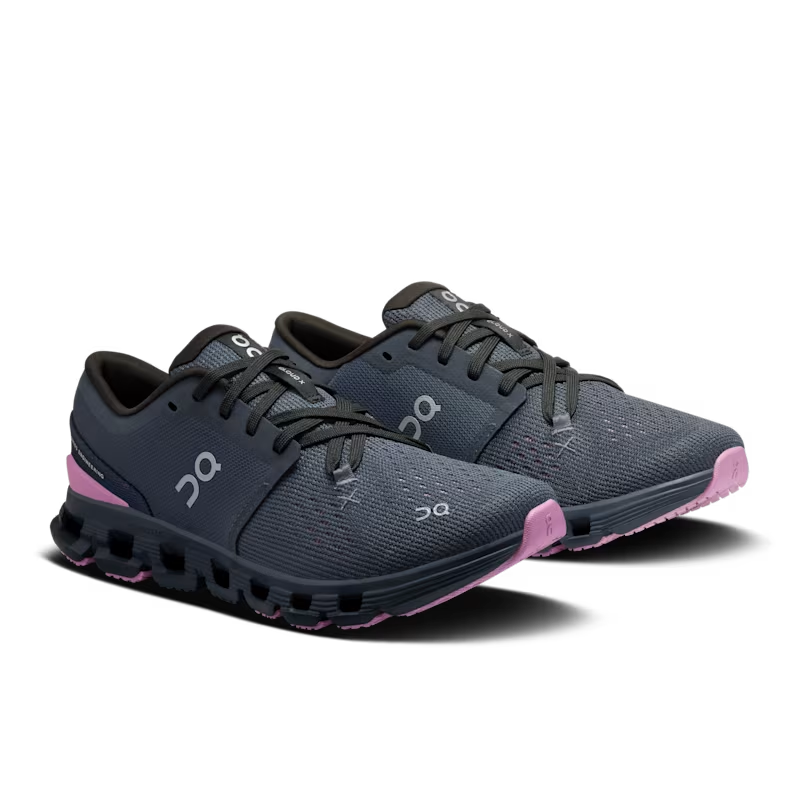
If the thought of exercise feels overwhelming, start with the gentlest possible approach. The goal is to build a positive relationship with movement, not to push yourself to exhaustion. Walking is perhaps the easiest and most accessible form of physical activity. It requires no special equipment other than comfortable shoes, and you can do it almost anywhere.
Start with short walks, perhaps just ten or fifteen minutes around your neighbourhood. As you feel more comfortable, you can gradually increase the duration or pace. Even a short walk can invigorate your body and clear your mind.
Another simple way to introduce movement is through stretching. Stretching helps to improve your flexibility and can reduce muscle stiffness. You can stretch gently when you wake up in the morning, or after sitting for a long period. There are many easy stretches that can be done while standing or sitting.
The key is to listen to your body and never push into pain. Even five minutes of gentle stretching each day can make a noticeable difference in how your joints and muscles feel. Remember, the best exercise is the one you will actually do consistently.
Incorporating movement into your daily routine without a gym
You do not need to sign up for a gym membership or buy expensive equipment to be active. Many opportunities for movement are already built into your day. Think about how you travel short distances. Could you walk to the local shop instead of driving? Could you take the stairs instead of the lift?
These small choices add up over time and contribute significantly to your overall activity levels. If you work from home or sit for long periods, set a timer to remind yourself to stand up and move every hour. Even a quick walk around the room or a few simple stretches can break up long periods of sitting.
Housework can also be a surprisingly effective form of exercise. Vacuuming, sweeping, or gardening all involve physical effort and can get your heart rate up. Turning on some music and dancing around your living room is another fantastic way to move your body and lift your spirits. The key is to look for every chance to move, rather than waiting for a dedicated “workout” time. By making movement a natural part of your day, you make it much easier to sustain over the long term.
Finding activities you genuinely enjoy doing
One of the most important secrets to lasting fitness is finding activities that you actually like. If exercise feels like punishment, it will be very difficult to stick with it. Think about hobbies or activities that involve movement and appeal to you. Do you enjoy gardening? It is a great way to bend, stretch, and lift.
Do you love music? Dancing is a joyful way to get your heart rate up. Perhaps you enjoy being in the water? Swimming is a low impact exercise that is wonderful for all ages and abilities.
Exploring different types of movement can help you discover what resonates with you. Many community centres offer gentle exercise classes, such as Tai Chi, yoga, or water aerobics, which are designed for all fitness levels. These classes not only provide structured movement but also offer a chance to connect with other people.
Do not be afraid to try new things until you find what makes you feel energised and happy. When movement feels like fun, it stops being a chore and becomes a natural part of your life.
The role of strength and balance exercises as you get older
As we age, maintaining muscle strength and good balance becomes increasingly important for independence and preventing injuries. This does not mean you need to lift heavy weights.
Simple bodyweight exercises can be incredibly effective. Activities like standing up and sitting down from a chair without using your hands, or doing gentle wall push ups, can help build strength in your legs and upper body.
Balance exercises are also crucial. You can practise standing on one leg for short periods, holding onto a sturdy surface for support if needed. Or try walking heel to toe in a straight line. These types of exercises improve your stability and coordination, reducing the risk of falls.
Many gentle exercise classes, such as Tai Chi, specifically focus on improving balance and flexibility. Incorporating these types of movements a few times a week can make a significant difference in your physical confidence and overall well-being.
Listening to your body and avoiding overdoing it
When starting any new activity, it is absolutely essential to listen to your body. There is a common misconception that if exercise does not hurt, it is not working. This is not true, especially when you are just beginning. A little muscle soreness the day after a new activity is normal, but sharp pain is a sign to stop and rest. Pushing yourself too hard too soon can lead to injury, which can set you back and make you lose motivation.
Start slowly and gradually increase the intensity or duration of your activities over time. For example, if you start with a ten minute walk, try adding just five minutes to it the following week. Always warm up your muscles with gentle movements before starting and cool down with some stretches afterwards.
Giving your body adequate rest days is also vital for recovery and muscle repair. Remember, consistency is more important than intensity. Small, regular efforts will always yield better long term results than occasional bursts of extreme activity.
Staying motivated and making movement a lasting habit
One of the biggest challenges for many people is staying motivated over time. Life can get busy, and it is easy to let exercise fall by the wayside. To make movement a lasting habit, it helps to set realistic goals. Instead of aiming for an hour at the gym every day, perhaps your goal is to walk for twenty minutes three times a week. Achieving small goals builds confidence and encourages you to keep going.
Finding a movement partner, like a friend or family member, can also provide encouragement and accountability. You can motivate each other and make the activity more enjoyable. Tracking your progress, even in a simple notebook, can also be very satisfying.
Seeing how far you have come can be a powerful motivator. Most importantly, be kind to yourself. There will be days when you do not feel like moving, and that is perfectly normal. Just get back to it the next day. The journey to lasting fitness is not about perfection, but about consistent effort and self compassion.

Conclusion
Fitness for every body truly means finding what works for you, at your own pace, and in a way that brings you joy. You do not need to transform into an athlete overnight or adhere to a rigorous training schedule. The most impactful changes come from small, consistent efforts and a genuine desire to move your body more.
By understanding the profound benefits of movement, incorporating gentle activities into your daily life, and listening carefully to your body, you can unlock a greater sense of energy, strength, and mental peace.
Whether it is a brisk walk in the park, dancing in your living room, or stretching gently in the morning, every movement contributes to a healthier, happier you. Embrace the journey, celebrate your progress, and remember that your body is designed to move. By choosing to move it regularly and mindfully, you are investing in a richer, more vibrant life at any age.
____________________________
Recent Articles
- How to choose the right tooth replacement option in St Louis, Missouri
- Contour Airlines flights to Trinidad and Tobago: New nonstop Contour Service connects Trinidad and Dominica
- Back pain: Why sudden pain happens, what it means and when to seek medical care
- How mobile point-of-sale systems can improve retail operations and customer experience
- Planning a New York City, New York food day by neighbourhood, budget, and mood
When you buy something through our retail links, we may earn commission and the retailer may receive certain auditable data for accounting purposes.
 Follow Sweet TnT Magazine on WhatsApp

Every month in 2026 we will be giving away one Amazon eGift Card. To qualify subscribe to our newsletter.
Every month in 2026 we will be giving away one Amazon eGift Card. To qualify subscribe to our newsletter.
Recent Articles
- How to choose the right tooth replacement option in St Louis, Missouri
- Contour Airlines flights to Trinidad and Tobago: New nonstop Contour Service connects Trinidad and Dominica
- Back pain: Why sudden pain happens, what it means and when to seek medical care
- How mobile point-of-sale systems can improve retail operations and customer experience
- Planning a New York City, New York food day by neighbourhood, budget, and mood
When you buy something through our retail links, we may earn commission and the retailer may receive certain auditable data for accounting purposes.
You may also like:
Effective routine to lose weight and stay healthy
Why cardio fitness is the secret to ending constant fatigue
Gym anxiety is real: The ultimate home routine to shred pounds and build muscle in total privacy
Foldable Auto-Incline Treadmill: The smarter way to stay fit at home
The plus size workout: A beginner’s guide to consistent, effective, and life-changing fitness
The best at-home workout routines for beginners: Transform your body without stepping foot in a gym
From exhausted to energised: The home fitness hack that gives you hours back
Owning a home gym: Benefits that transform your health, routine and long-term fitness success
The power of exercise and water for the busy woman
The importance of regular exercise for mental health
Find energy: 10 steps to overcome the exercise struggle
Exercise equipment designed for home use
Why your weight loss journey needs real medical insight
The home workout that pays for itself: Less stress, more energy to earn
Stop dieting and start living: Here’s why you can’t lose weight and how you can fix it at home
Your bank account will thank you: How eating healthy & working out at home saves thousands (and makes you happier)
@sweettntmagazine
Discover more from Sweet TnT Magazine
Subscribe to get the latest posts sent to your email.



You must be logged in to post a comment.